If your job search feels heavy, you are not alone.
Many job seekers are doing the work. They are sending resumes. They are updating LinkedIn. They are reading job posts. They are trying to stay positive.
But they still are not getting the interviews they want.
That can feel personal. But many times, the problem is not your worth. The problem is your message.
This week, we are focusing on executive summary that gets read. This matters because employers need to understand your fit quickly. They do not have time to guess what role you want or how your experience connects to their needs.
A strong job search message is clear. It is focused. It shows proof. And it helps the reader see why you belong in the conversation.
Why This Matters
When your career message is too broad, people get confused.
They may see that you have experience. But they may not know what to do with it.
That is a problem.
A recruiter is usually looking for a match. A hiring manager is looking for someone who can solve a specific problem. If your resume, profile, or interview answer makes them search too hard, they may move on.
This can happen in any field.
A finance analyst may have strong results but use language that sounds too general. A operations manager may manage complex work but not explain the size or impact of that work. A training specialist may have great experience but list tasks instead of outcomes.
The fix is not to become someone else.
The fix is to make your real value easier to see.
The Common Mistake
The common mistake is trying to say everything.
Job seekers often think, “If I include more, I will look more qualified.”
But more is not always better.
Too much information can bury your best proof. It can also make your message feel unfocused.
Instead, you want to ask one simple question:
What does this reader need to understand first?
That question will help you decide what to keep, what to move down, and what to remove.
Use the Top-Third Resume Test
Here is a simple way to improve your content this week.
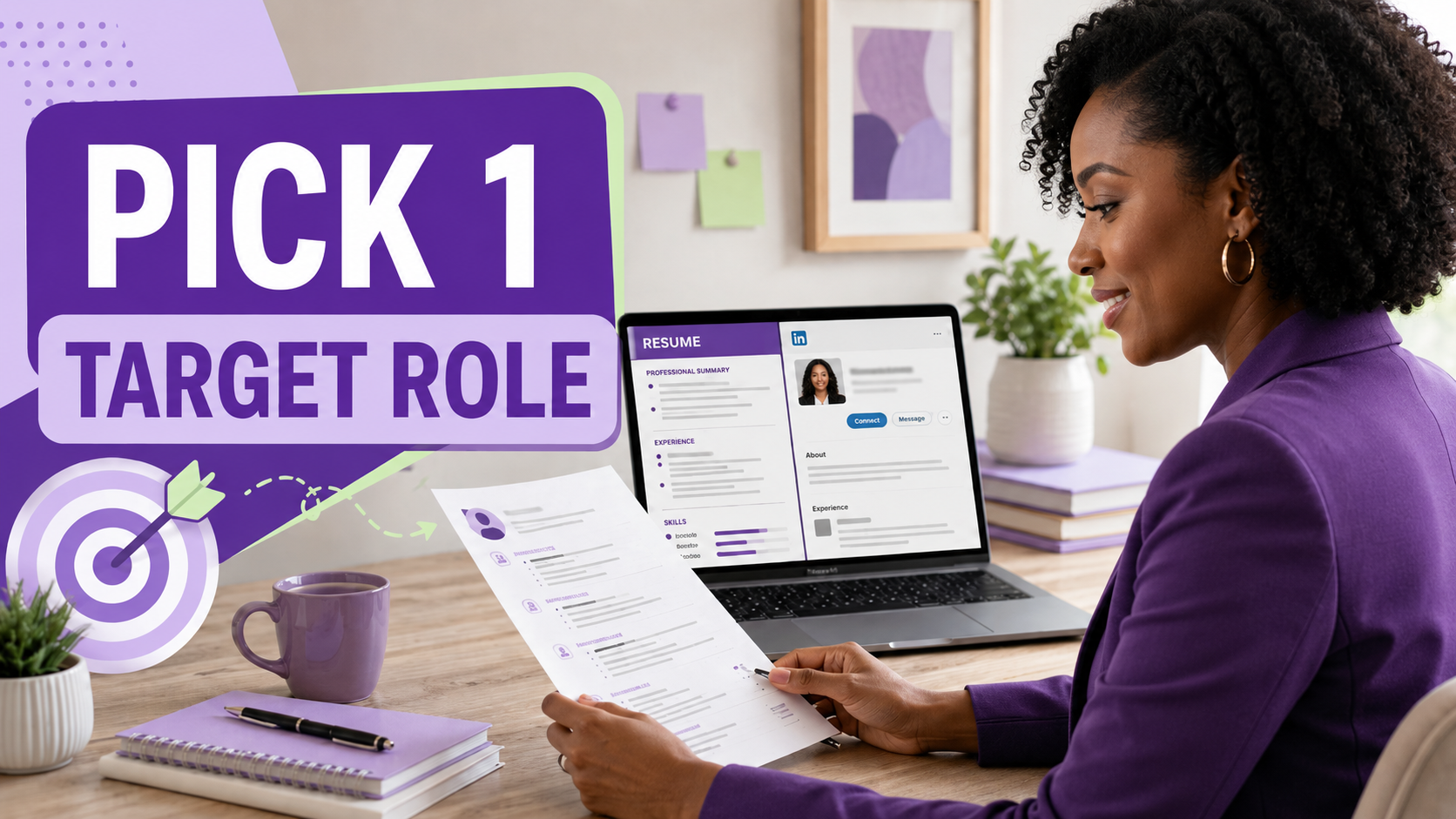
Step 1: Pick one target role
Do not start with ten job titles.
Pick one role or one close role family. For example, you may choose project coordinator roles, customer success roles, compliance analyst roles, operations manager roles, or training specialist roles.
The clearer the target, the stronger your message can become.
Step 2: Study three job posts
Find three job posts for that same type of role.
Look for words that repeat. Look for problems the employer wants solved. Look for tools, skills, and outcomes that show up more than once.
You are not copying the job post.
You are learning the language of the role.
Step 3: Match the role to your proof
Now ask yourself:
Where have I done similar work?
Where have I solved a similar problem?
Where have I worked with similar tools, people, systems, or deadlines?
Where can I show a result?
Your proof may include numbers. But it can also include scope, volume, risk, speed, quality, service, accuracy, or complexity.
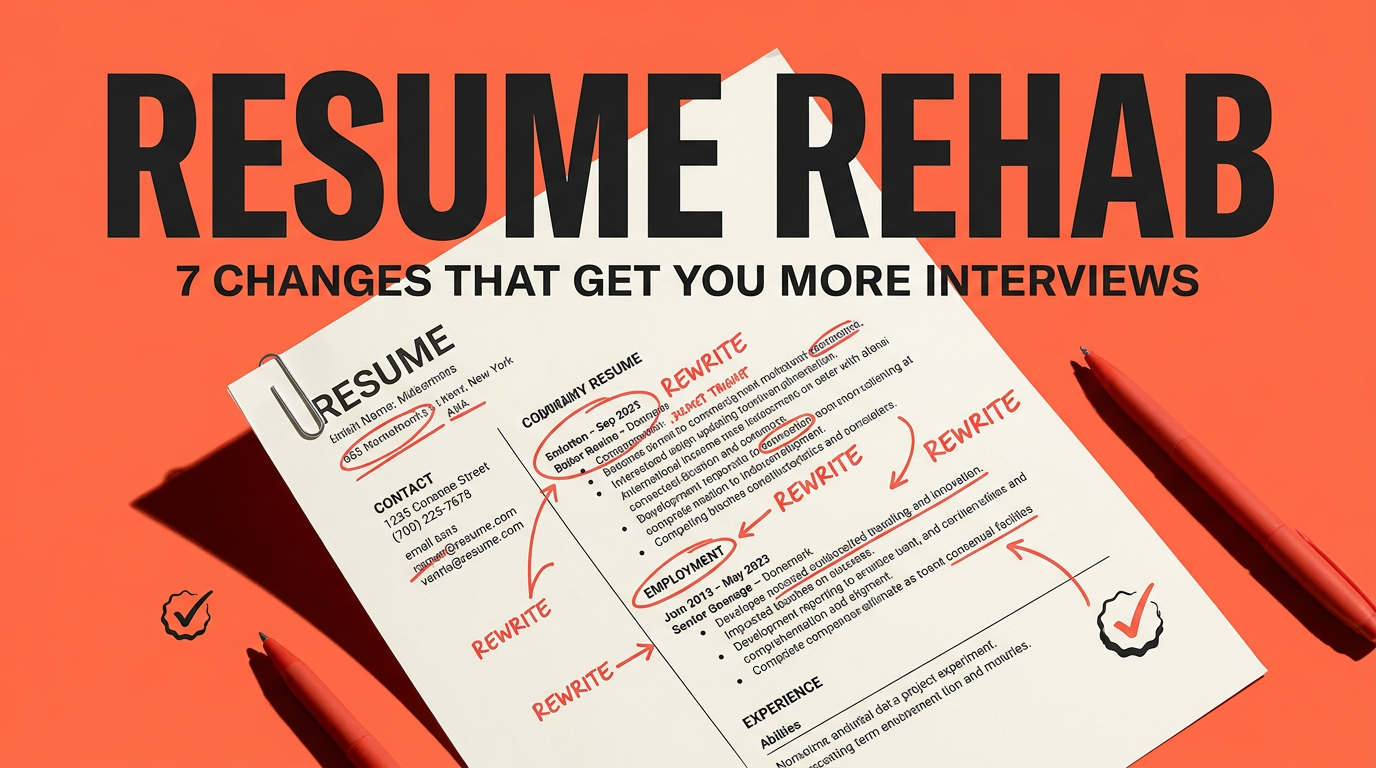
Step 4: Rewrite for Clarity
Do not just add keywords.
Rewrite the line so it shows value.
A weak line may say:
“Responsible for supporting projects.”
A stronger line may say:
“Coordinated project tasks, tracked deadlines, followed up with stakeholders, and improved visibility into next steps.”
That is clearer. It shows action. It shows value.
Public2Private Corner
If you are moving from public sector to private sector, this step is even more important.
Public-sector language does not always travel well.
Your title may not match private-sector titles. Your agency terms may not mean much to a recruiter. Your program names may not explain what you actually did.
So you need to translate.
For example, instead of saying:
“Managed agency program requirements.”
You might say:
“Managed program workflows, tracked compliance steps, coordinated stakeholders, and prepared reports that supported leadership decisions.”
That version is easier for a private-sector reader to understand.
You are not hiding your background. You are helping people see the value inside it.
What to Fix This Week
Here is your action step.
Choose one piece of content to improve. It could be your resume summary, three resume bullets, your LinkedIn headline, your LinkedIn About section, or one interview story.
Then ask these questions:
Can the reader see my target role?
Can the reader see my proof?
Can the reader understand my value in plain language?
Can I remove anything that distracts from my current goal?
If the answer is no, revise it.
Small edits matter.
One stronger summary can change the way your resume opens. Three stronger bullets can change the way your experience is understood. One clearer LinkedIn headline can help the right people know what you do.

Need help implementing this without guessing? Start with HRBN Modern Résumé & ATS Optimizer for practical prompts and structure. If you want coaching and accountability, Career Search Rx can help you build a stronger job search system. If you are moving from public sector to private sector, explore Public2Private Careers for targeted transition support.

Public2Private Transitions helps current or former public-sector professionals translate their experience into private-sector language.
https://stan.store/Nnamtique/p/public2private-career-transitions-program
Final Thought
You do not need to sound perfect.
You need to sound clear.
You do not need to prove everything at once.
You need to lead with the most relevant proof.
And you do not need to make your background smaller.
You need to make your value easier to understand.
That is how executive summary that gets read helps your job search.
It gives your experience a clearer path to the opportunity you want next.
Call to Action
If you want help applying this to your own materials, start with the HRBN Modern Résumé & ATS Optimizer. It can help you review your content against a target role and identify what needs to be stronger.
If you want guided support across your full job search, Career Search Rx can help you build a focused, practical plan.
And if you are moving from public sector to private sector, Public2Private Careers can help you translate your experience into language employers understand.
Subscribe
Subscribe to HR by Nnamtique for practical job search guidance, resume and LinkedIn strategy, interview support, and Public2Private career pivot tips.